

Ideas rarely stall for lack of imagination. They stall because the path from possibility to action is unclear.
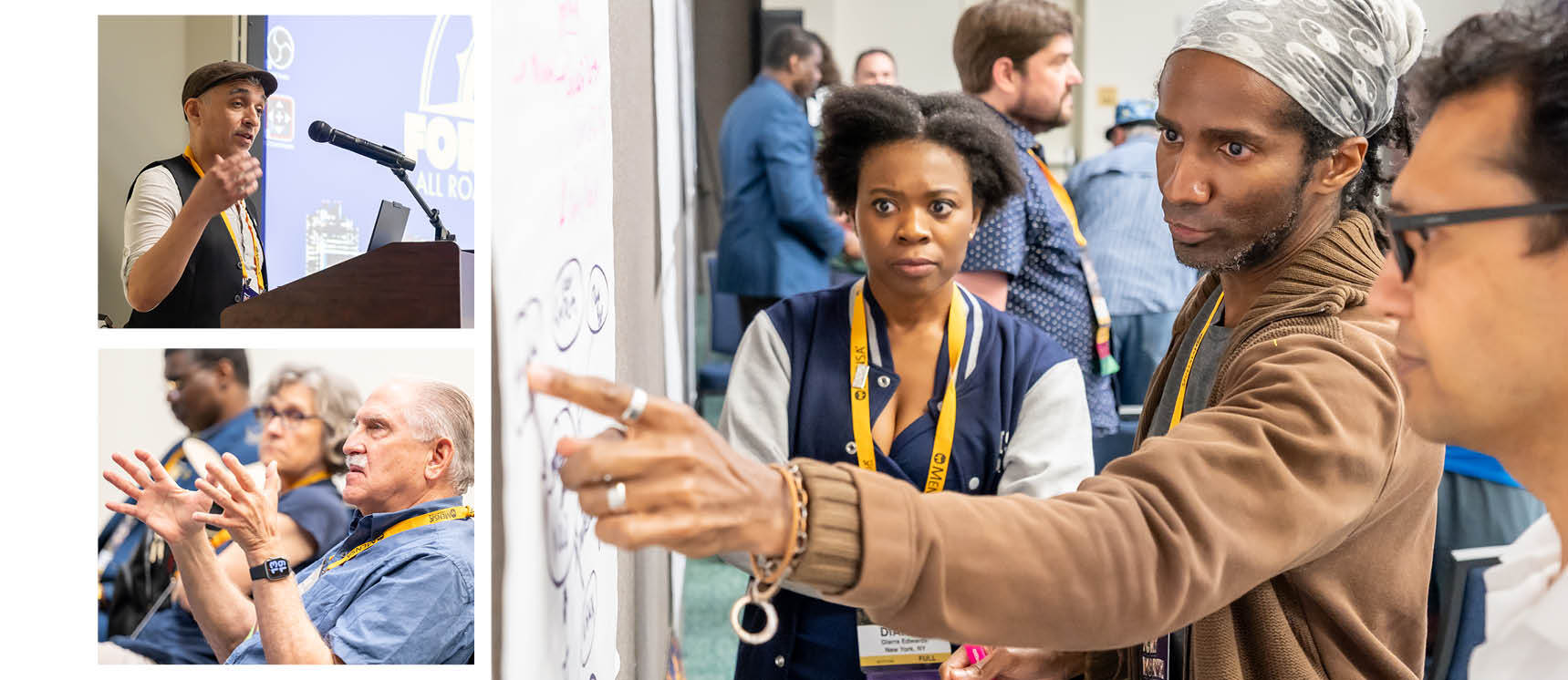
The Mensa Foundation Challenge was created to help people find that path. Participants bring an idea that could benefit others and strengthen it through collaboration. They leave with a practical plan for moving it forward.
On July 3, the Challenge brought Mensa members and nonmembers together during the American Mensa Annual Gathering in Fort Worth. Seven presenters took the stage with problems they wanted to address. By the end of the experience, each had concrete next steps and a clearer sense of what to do next.
In the two months since, we checked back in with each presenter. Five agreed to share more about how their idea has developed since the Challenge, and their stories are featured below.
Most Innovative Solution
The Challenge recognized JJ Mata’s Brain Gym — Stretching Our Minds Beyond the Spectrum — as the Most Innovative Solution.
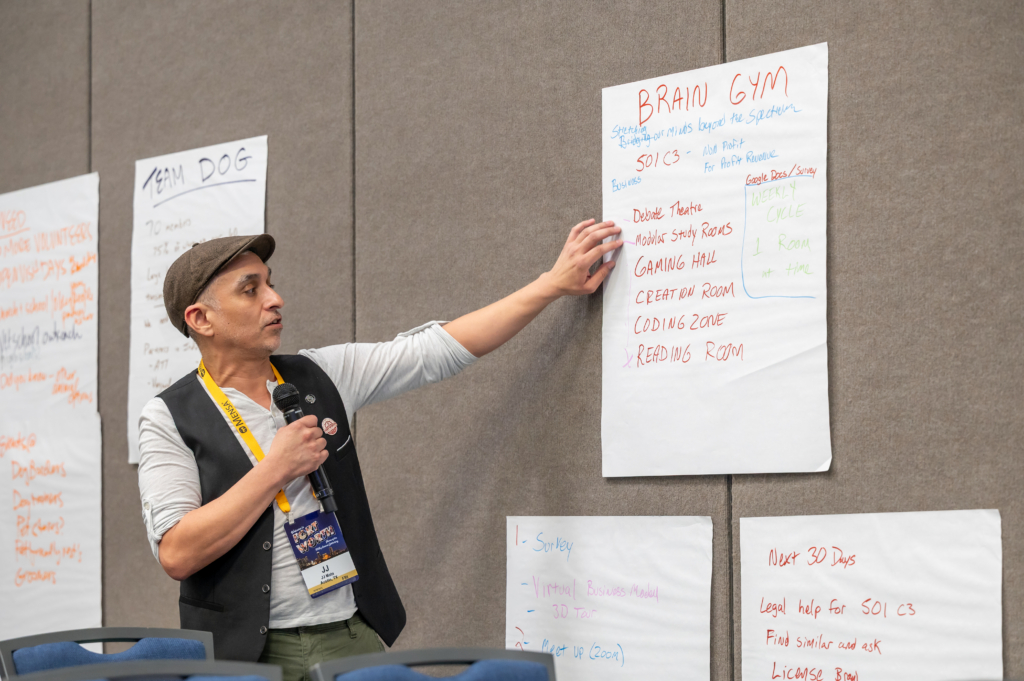
Inspired by traditional Athenaeums, JJ proposed a membership space designed for gifted and intellectually curious people. The idea responds to a familiar problem. Coffee shops allow conversation but may not support sustained intellectual work. Libraries provide quiet without always allowing collaboration. Most coworking spaces are designed around professional productivity.
JJ envisions something different.
The Brain Gym would begin with social areas near the entrance before transitioning into progressively quieter environments. Members could choose what they need on a particular day. Some might want conversation over coffee. Others might need uninterrupted time to think.
During the Challenge, JJ identified a smaller way to test the concept before pursuing the complete vision. His proposed pilot would explore whether people would return often enough to build a sustainable community around the space.
The idea also drew from the Foundation’s recent exploration of person-environment fit. Seeing that work become part of a Mensan’s response to an unmet need was one of the most meaningful moments of the Challenge.
Looking back on the experience, JJ said, “What excites me most about the Challenge is how it demonstrated interest in my idea. I didn’t realize how many people would want to see it come to fruition, and that energized my motivation. So again, thank you.”
Welcoming Ideas From Beyond Mensa
High school junior Ishaant Majumdar participated as a nonmember, demonstrating that the Challenge was not limited to ideas originating within Mensa.
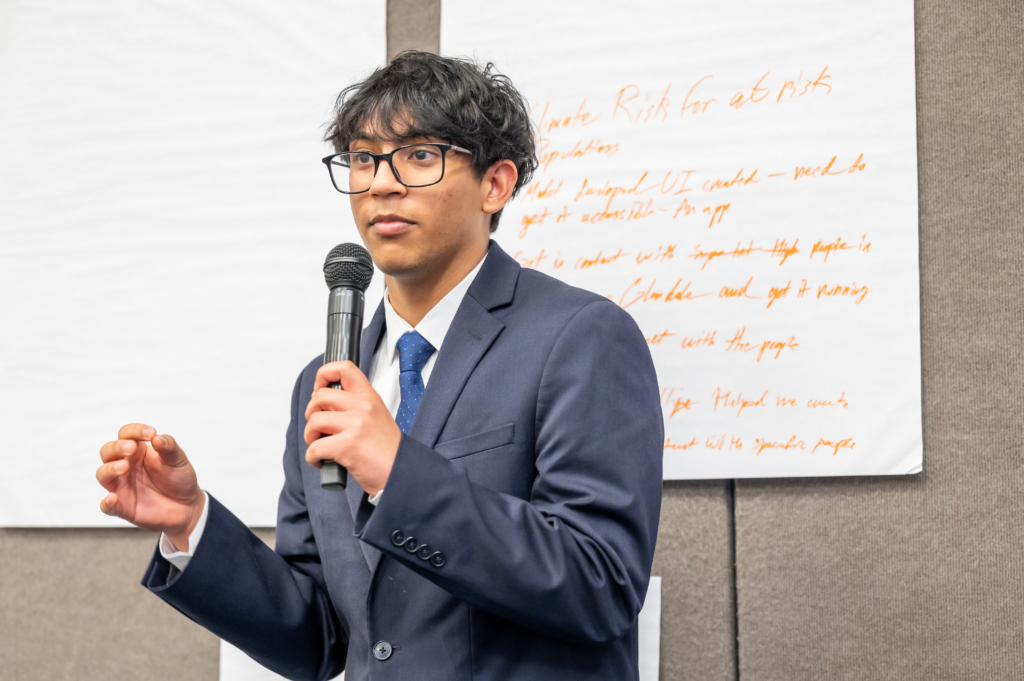
Ishaant presented ClimateShield AI, a hyperlocal environmental warning system designed for vulnerable community institutions.
Environmental risks do not affect every part of a city equally. Extreme heat may be more dangerous in one neighborhood than another. Air quality can also vary from block to block. Yet most public alerts cover an entire city or region, limiting their usefulness to people making decisions at the local level.
ClimateShield AI would provide neighborhood-level warnings that allow schools and other institutions to respond sooner when local conditions become dangerous.
Rather than trying to introduce the system across multiple communities at once, Ishaant proposed testing it with a single North Texas school district. Conversations with Challenge collaborators helped him recognize that connecting with the right superintendent could provide a practical place to begin.
Helping Patients Understand Their Health Stories
Darris Mishler, founder of Human Viable Labs, presented ChartQuest, a patient health companion designed to help people make sense of their medical records.
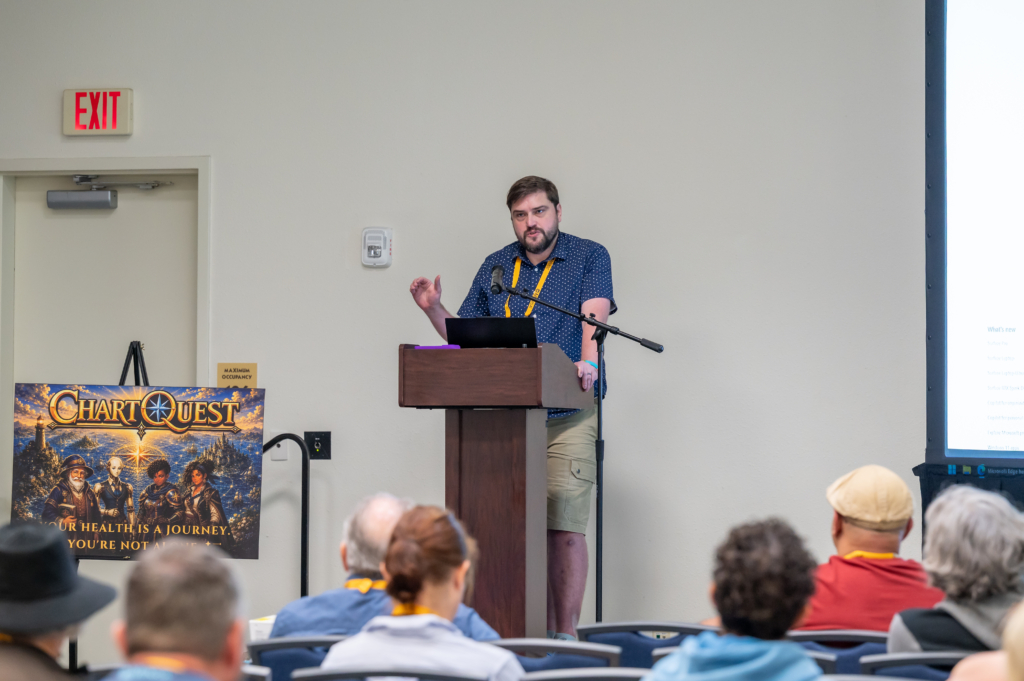
Patients have access to more health information than ever, but access does not always produce understanding. A person’s health story may be scattered across clinical notes and lab results, making the larger picture difficult to see.
ChartQuest would help patients understand what their records say and prepare better questions for their next appointment. It would not diagnose conditions or recommend treatment. Its purpose is to help people become more informed participants in their own care.
Darris left the Challenge with a way to test whether ChartQuest actually helps patients walk into appointments better prepared and with an openness to feedback on unsettled details, including the project’s name.
Taking Local Service National
Two presentations came from American Mensa Local Groups already serving their communities. Both asked how an idea that works locally could become a model for Mensans across the country.
Anton Anderssen presented Mensa Cares Teddy Bears, a Hawaii-based initiative that provides teddy bears to children who need comfort.
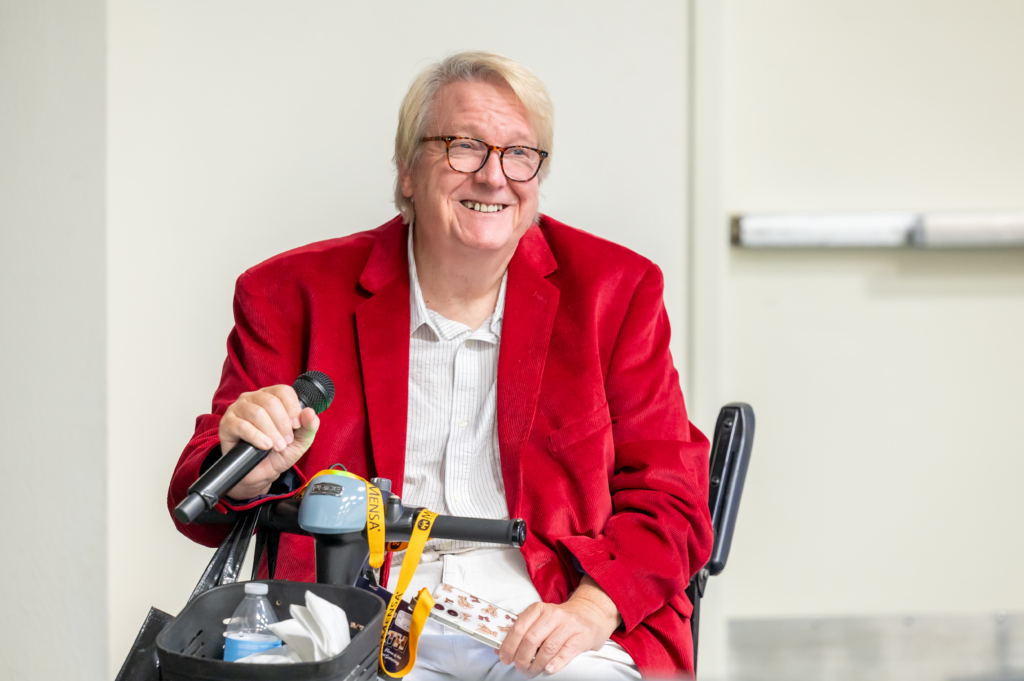
Anton’s action plan focused on creating the support other Local Groups would need to participate, including opportunities to secure donated bears that could make the program easier to adopt.
His closing line captured the possibility behind the idea. “Where there are Mensans, there can be Mensa Cares Teddy Bears.”
Keith Thompson received the Best Problem Statement award for the Northern New Jersey Mensa Literacy Outreach Program.
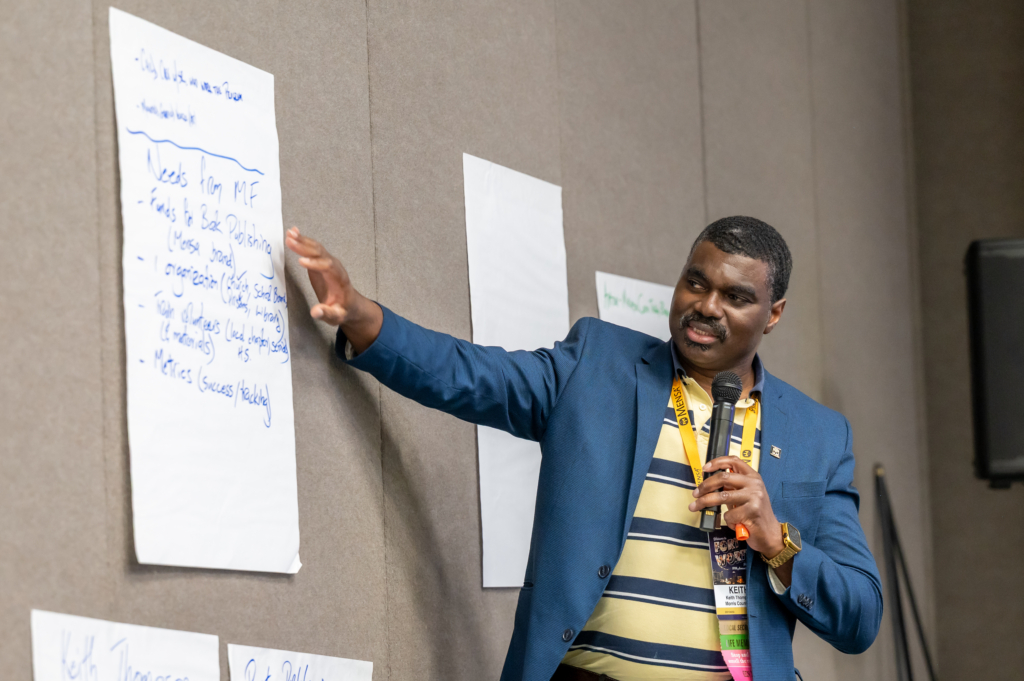
His presentation focused attention on a persistent problem affecting communities across the country. Many American adults struggle with basic reading, while children continue to fall behind important literacy benchmarks.
Northern New Jersey Mensa is already developing materials and building relationships in Newark and Jersey City. Keith and Laurie now want to turn that experience into a model other Local Groups can adapt.
The goal is not to create one national program that looks the same everywhere. It is to give Local Groups a practical starting point for serving the literacy needs within their own communities.
Together, these projects show how Mensans can respond to needs close to home and then share what they learn with others.
The Real MVP
Not every meaningful contribution came from the stage.
The Real MVP award honors the participant who elevates the room through collaboration and generosity. This year’s recipient was Mitrankur Majumdar, Ishaant’s father.
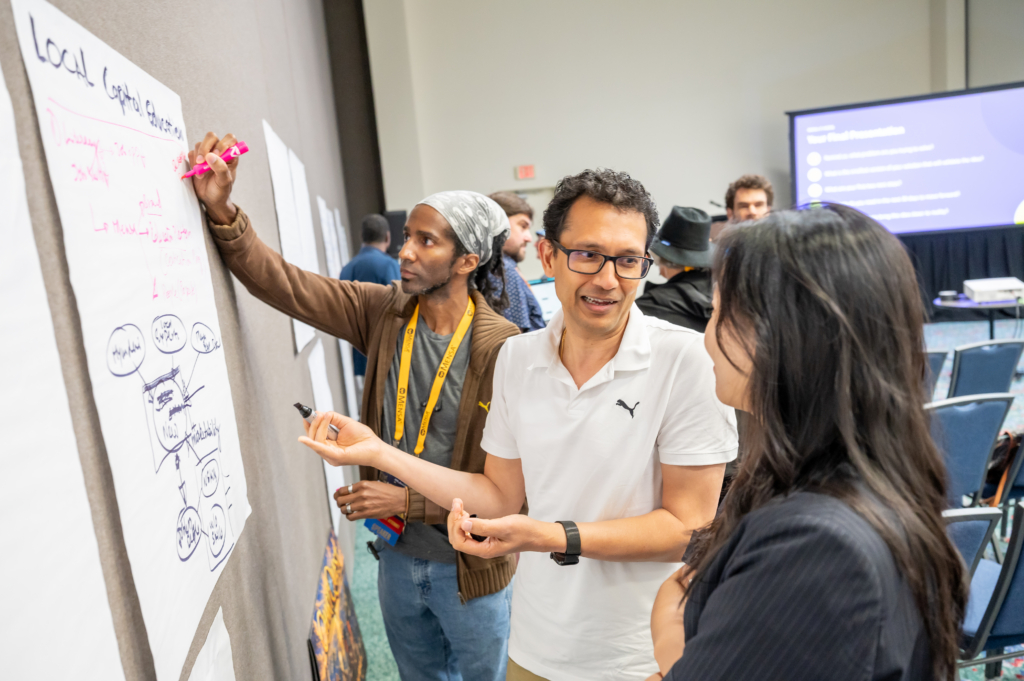
Mitrankur stepped into the experience with kindness toward every participant. He listened carefully and offered support wherever he could, helping create an environment where people felt encouraged to share their ideas.
His recognition captured an essential part of the Challenge. Strong ideas matter, but so do the people willing to help those ideas grow.
What Comes Next
The Challenge does not assume every idea will work exactly as first imagined. That is the point. It creates a place where people can test their thinking while the idea can still change.
The Challenge will return next year. In the meantime, the Foundation will gather feedback from this year’s participants and use what we learn to make the experience stronger.
The Mensa Foundation will also soon launch the Catalyst Grant, a new funding opportunity intended to help people turn promising ideas into action. The opportunity will not be limited to Mensa members.
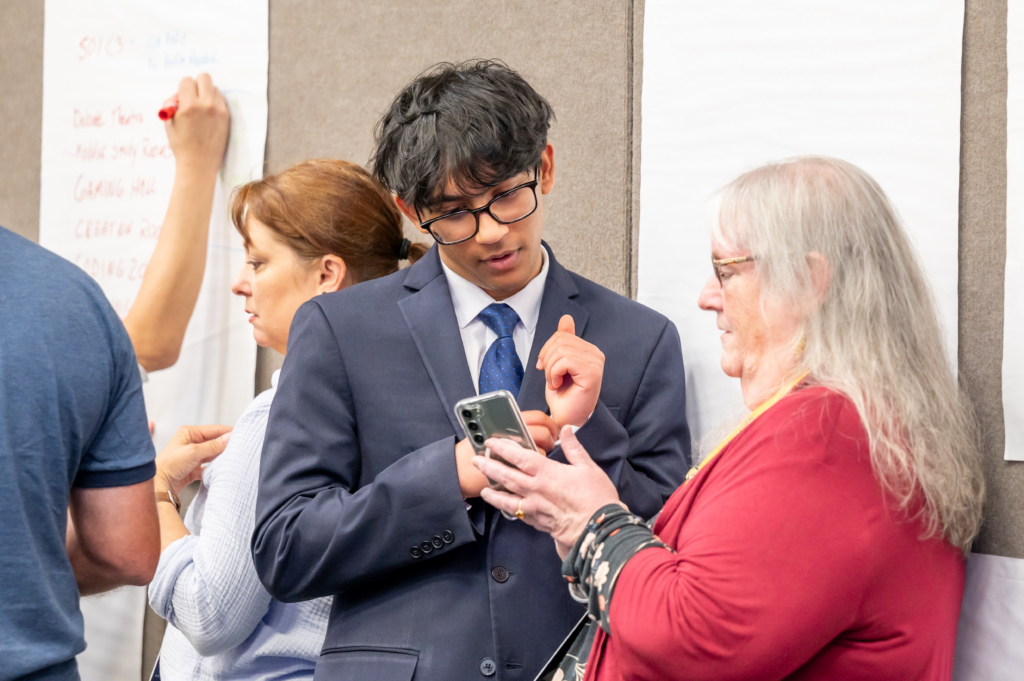
More information will be shared soon, but projects like those presented during the Challenge reflect the kind of work the Catalyst Grant will seek to support. Some may begin with individuals who see a problem differently. Others may grow from community programs ready to expand their reach.
Promising ideas can come from within Mensa or beyond it. What matters is their potential to benefit others and the commitment of the people working to bring them to life.
The Challenge will continue helping people strengthen their ideas. The Catalyst Grant will help give some of those ideas a chance to grow.








Comments (0)