Fellowships
The Mensa Foundation Fellowship program empowers exceptional individuals committed to advancing the application of intelligence in their respective fields.
Details
Our current fellowship, the Gifted Education Fellowship, is designed to empower educators pursuing graduate studies in gifted education or closely related fields, enabling them to make a transformative impact in their classrooms and communities. The fellowship supports both doctoral and non-doctoral students, with awards and renewal terms tailored to each track.
- $5,000 Annual Award: Financial support for graduate studies in gifted education or closely related fields, renewable for one additional year for eligible non-doctoral students.
- Professional Development: Access to resources and opportunities that enhance expertise and foster impactful teaching practices.
- Recognition: Highlighted through Mensa Foundation platforms, showcasing the fellow’s contributions to gifted education and intelligence.
Apply to Become a
Mensa Foundation Fellow
Submit Your ApplicationSubmit Your Application Criteria
Fellowship Guidelines
The Gifted Education Fellowship is designed to assist outstanding educators in pursuing a graduate degree in gifted education or a closely related field from an accredited U.S. institution.
- Be enrolled in a graduate program in gifted education or a closely related field at an accredited U.S. institution, whether pursuing a doctoral or non-doctoral degree.
- Submit a proposal for scholarly or educational contributions that align with the Mensa Foundation’s mission to advance intelligence and benefit Mensa affiliates and/or the Foundation.
- Maintain a minimum 3.0 GPA and demonstrate successful progress toward completing their degree.
- Commitment to Timelines: Complete proposed contributions within one calendar year of receiving the fellowship, or submit a request for an extension with a detailed timeline.
- Share their expertise through scholarly or educational contributions to the Mensa Foundation and its affiliates.
- Recognize the Mensa Foundation’s Gifted Education Fellowship in research presentations and publications.
- Adhere to agreed-upon timelines for completing contributions, or request an extension if necessary.
- Research Opportunities: Fellows may conduct research involving Mensa members as participants, provided their projects comply with American Mensa’s Research Review Guidelines.
- Event Participation: Fellows are eligible for a stipend and complimentary registration to attend American Mensa’s Annual Gathering or other official events, where they can present their research and connect with the Mensa community.
- Educational Contributions: Fellows may be invited to lead youth-oriented sessions or create educational resources for the Mensa Foundation website, sharing their knowledge with future generations.
- Recognition: Fellows are formally acknowledged as Mensa Foundation Fellows, highlighting their affiliation and contributions to the advancement of intelligence.
Frequently Asked Questions
Have more questions? Contact us at awards@mensafoundation.org.
The Mensa Foundation Fellowship Program supports individuals dedicated to advancing the understanding and application of intelligence. It currently includes the Gifted Education Fellowship, which empowers educators pursuing graduate studies in gifted education or related fields.
The fellowship is open to educators pursuing a graduate degree (Master’s or Educational Specialist) in gifted education or a closely related field from an accredited U.S. institution.
Yes. The Gifted Education Fellowship supports both doctoral and non-doctoral students. Award amount and renewal terms may differ by track, non-doctoral fellows may be eligible to renew their award for a second year, for example.
The fellowship provides $5,000 per year, renewable for one additional year for non-doctoral degree programs.
Fellows receive financial support, opportunities to conduct research involving Mensa members, complimentary registration for Mensa Foundation events, and recognition as a Mensa Foundation Fellow.
Yes, Fellows may conduct research involving Mensa members as participants, provided their projects comply with American Mensa’s Research Review Guidelines.
Yes, Fellows are expected to acknowledge the Mensa Foundation in their research presentations and publications, and are expected to contribute to the Foundation’s programs or resources.
Applications must be submitted by March 1 of the award year.
The fellowship is renewable for one additional year for Master’s or Educational Specialist degree programs. Applicants who have already received the maximum term are not eligible to reapply.
The funds can be used to support tuition, research expenses, or other costs related to completing a graduate program in gifted education or a related field.
You can apply by submitting your application online, including a completed form, proof of enrollment, and any required supporting documents.
Applications are reviewed by a selection committee comprising Mensa Foundation staff, board members, and subject matter experts.
Applicants will be notified of their status via email after the selection process is complete. Award announcements are typically made in late spring.
Fellows
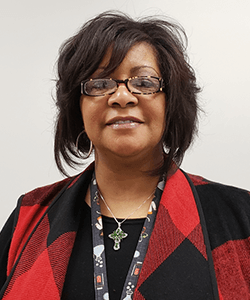
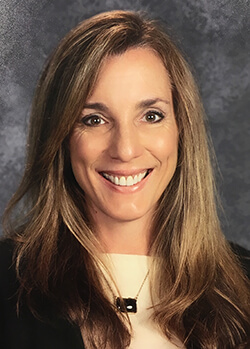
2026 Fellows
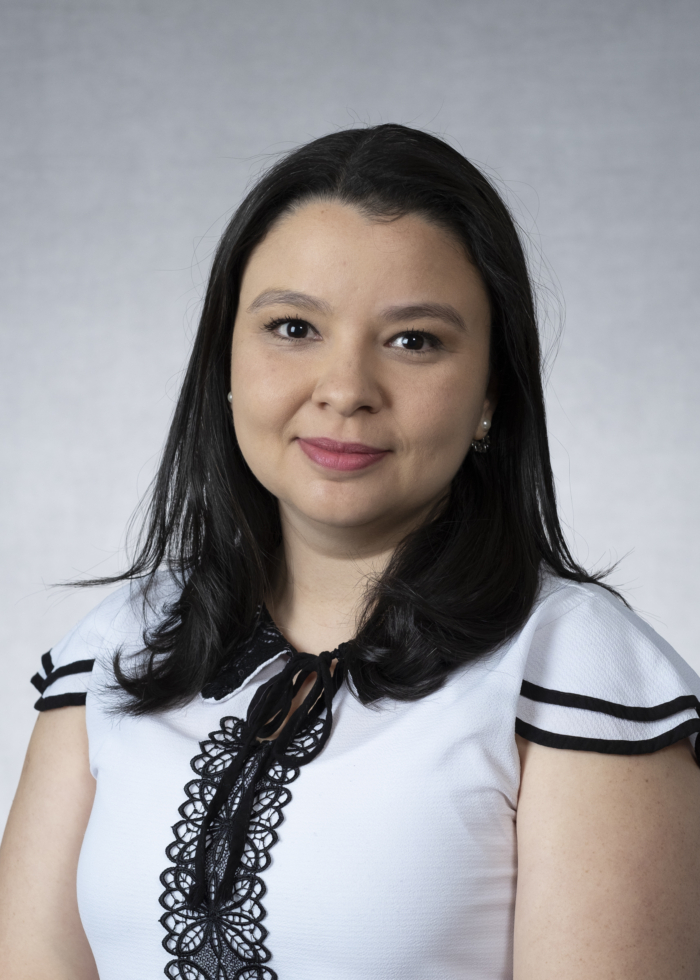
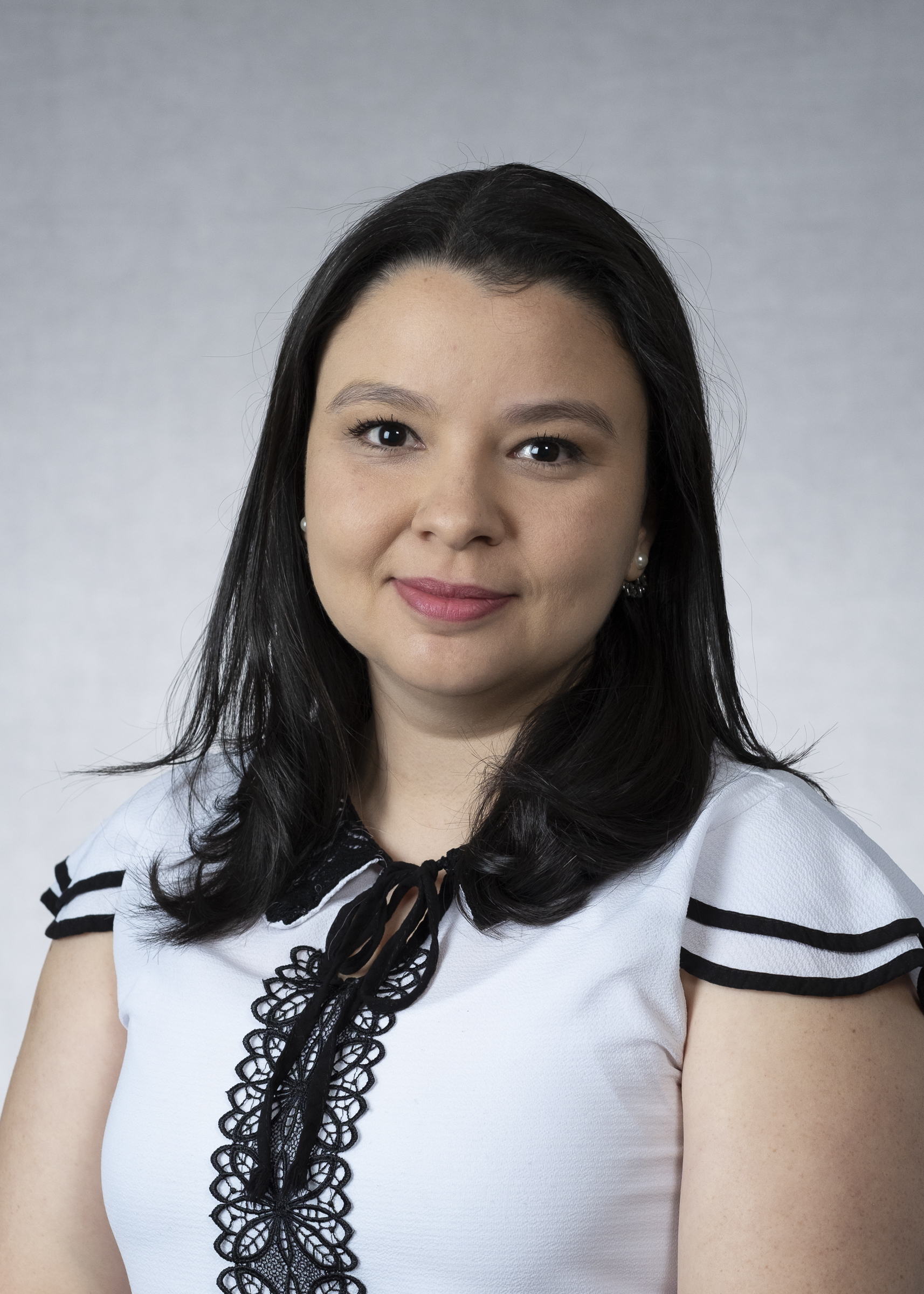
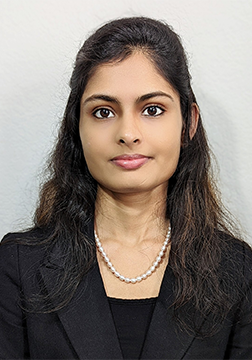
Dr. Shahnaz Safitri (Doctoral)
Indonesia is the world’s fourth-most-populous country, with nearly 290 million people spread across more than 17,000 islands, yet it does not formally recognize gifted education as a field of study. Safitri, believed to be the first Indonesian scholar to specialize in the field, is working to change that. Her research examines how talent develops through creativity, teacher-student relationships, academic identity, career aspirations, and STEM engagement, and her current dissertation extends those questions across the lifespan by studying high achievers who continue making meaningful contributions after retirement.
After completing her doctorate and postdoctoral training, she plans to return to Indonesia to establish a research center at Universitas Indonesia devoted to giftedness and talent development, bringing research, teacher preparation, policy consultation, and community outreach under one roof, and in doing so, contribute a Southeast Asian perspective to a field whose research has historically been concentrated elsewhere.
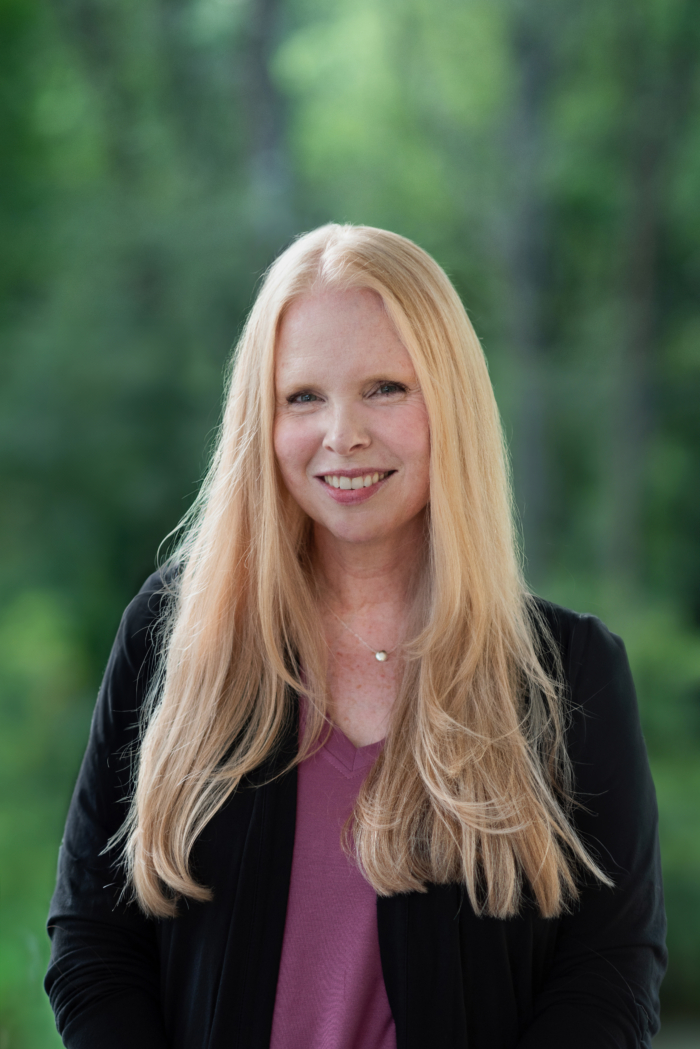
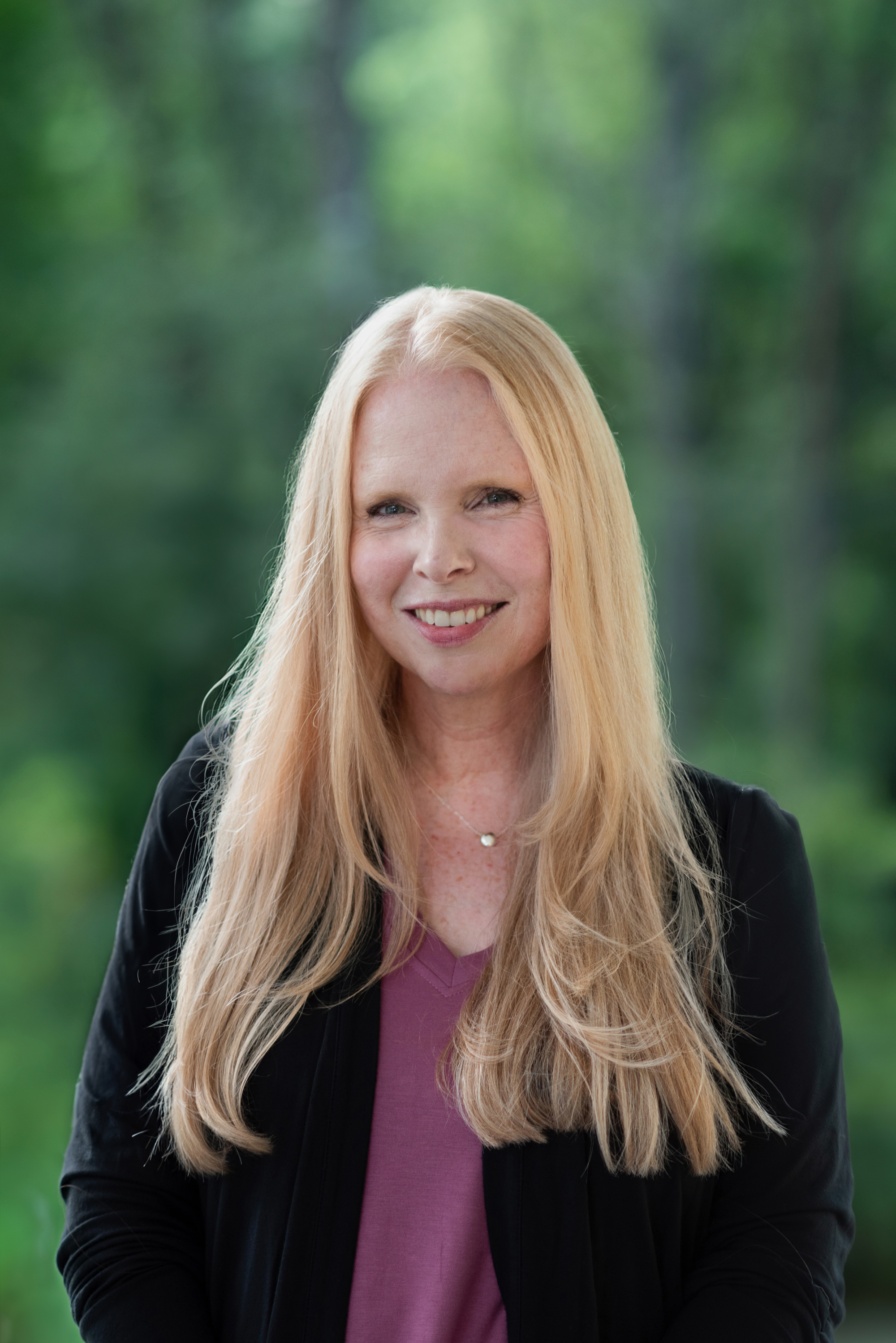
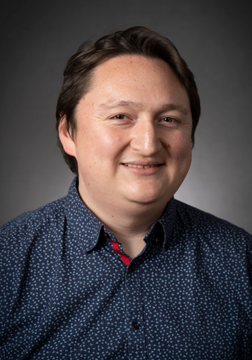
Tyrone Gil Jr. (Non-Doctoral)
Schools have gotten good at recognizing certain kinds of exceptionality, but others are easier to miss, sometimes a student’s learning needs overshadow their exceptional ability, and sometimes that ability masks the support they need. Gil, gifted facilitator for Garden City Public Schools and a master’s candidate at Fort Hays State University, came to this question through special education work in the Philippines and the U.S. before moving into gifted education, where he found the line between the two fields wasn’t as clear as expected.
While working in a Title I school, he began rethinking his own assumptions about giftedness and who gets recognized for it. His research interests include twice-exceptionality, enrichment strategies, and inclusive practices, and he hopes to develop a digital toolkit that rural school districts can use to identify and support twice-exceptional learners.