Donate NowDonate Now
Awards

Excellence in Research

The Mensa Foundation’s Awards for Excellence in Research recognize researchers who are building new knowledge in intelligence.

Presented annually, these awards honor exceptional work published in peer-reviewed journals or presented at professional conferences.

Details

A prestigious recognition in the field, the Awards for Excellence in Research celebrate innovative contributions that redefine how intelligence, giftedness, and related fields are studied and applied.

Award Components

  • $500 Award: A monetary recognition of the recipient’s groundbreaking research.
  • Publication in the Mensa Research Journal: Winning papers are featured in the Mensa Research Journal, showcasing the recipient’s contributions to a global audience.
  • Formal Recognition: Honorees are celebrated for their work through the Mensa Foundation’s platforms and events.

Impact intelligence studies.
Share your research with us.

Apply NowApply Now

Criteria

Key Eligibility Requirements

We welcome original research reports and theoretical papers that propose new research directions or review existing findings, providing fresh perspectives in the field of intelligence.

01
Criteria for Entry
  • Field Relevance: Papers must address topics related to intelligence, intellectual giftedness, creativity, or related fields.
  • Peer Review: Entries must have been published in or accepted by a peer-reviewed journal or presented at a peer-reviewed professional conference within the past three years.
  • Word Limit: Papers must not exceed 20,000 words (excluding abstracts, references, and appendices).
  • Author Classification:
    • Junior Investigators: Graduate students, post-doctoral researchers, or those with less than seven years of experience in their current field.
    • Senior Investigators: Researchers who earned their doctoral degree more than seven years ago or have significant experience in their field.
02
Submission Guidelines
  • Language: Submissions must be in English or include an English translation.
  • Supporting Materials: Provide a complete reference for the publication, along with any necessary supplemental materials to explain the research.
  • Designate Investigator Category: Clearly indicate if the entry is for the Junior or Senior Investigator category.
  • Eligibility Updates: If a paper is accepted for publication but not yet published, submit the manuscript or galley proofs by the deadline, followed by the complete reference upon publication.
03
What not to Submit
  • Unverified Work: Submissions that lack peer-review or sufficient documentation.
  • Ordinary Literature Reviews: Reviews that do not offer new directions or focus for the field.
  • Non-Research Articles: Chapters from books, textbooks, or articles written for general audiences.
  • Repeated Submissions: Papers previously recognized with an award cannot be resubmitted, nor can winning authors submit as primary authors within three years of receiving an award.
  • Excessive Materials: Limit submissions to one paper as the first author and up to three papers as a co-author. Additional materials will not be reviewed.

Frequently Asked Questions

Have more questions? Contact us at awards@mensafoundation.org.

01
What are the Mensa Foundation Awards for Excellence in Research?

The Awards for Excellence in Research celebrate groundbreaking studies in intelligence, giftedness, and related fields, recognizing contributions that advance knowledge and practice.

02
Who can apply for the Awards for Excellence in Research?

Researchers, educators, and professionals in relevant fields are eligible to apply. Authors do not need to be members of Mensa to qualify.

03
What types of research are eligible for the awards?

Eligible submissions include original research, theoretical papers, and reviews published in peer-reviewed journals or presented at peer-reviewed conferences within the past three years.

04
Can I submit my own work for consideration?

Yes, authors may submit their own published or accepted research for consideration, provided they meet the eligibility criteria.

05
What do recipients of the Awards for Excellence in Research receive?

Awardees receive a $500 cash prize, publication of their work in the Mensa Research Journal, and formal recognition from the Mensa Foundation.

06
How are winners selected?

Winners are chosen based on the quality, impact, and originality of their research by a panel of experts in intelligence and related fields.

07
What is the deadline for submitting an application?

The submission deadline is December 31. Applications received after this date will be considered for the following year’s competition.

08
Can past winners apply again?

Past winners may submit a new paper as co-authors but are not eligible to enter as primary authors within three years of receiving an award.

09
Are international submissions accepted?

Yes, international submissions are welcome, but papers must be in English or include an English translation.

10
What should I avoid submitting?

Avoid submitting book chapters, textbook content, articles for general audiences, or literature reviews without new contributions to the field.

Awardees

2024-2025 Awardees

This year’s awardees are leading the way in groundbreaking research, driving significant advancements that shape the future of how we understand and apply intelligence.
Senior Division

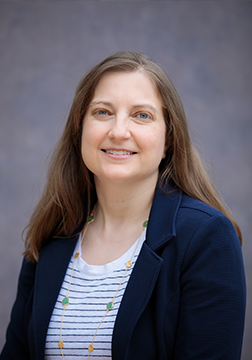
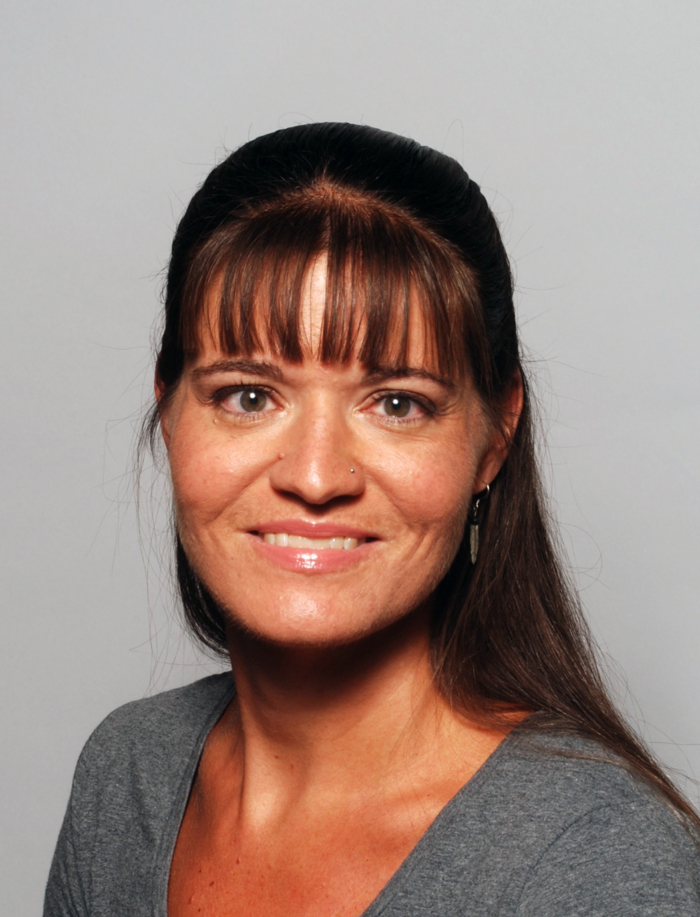
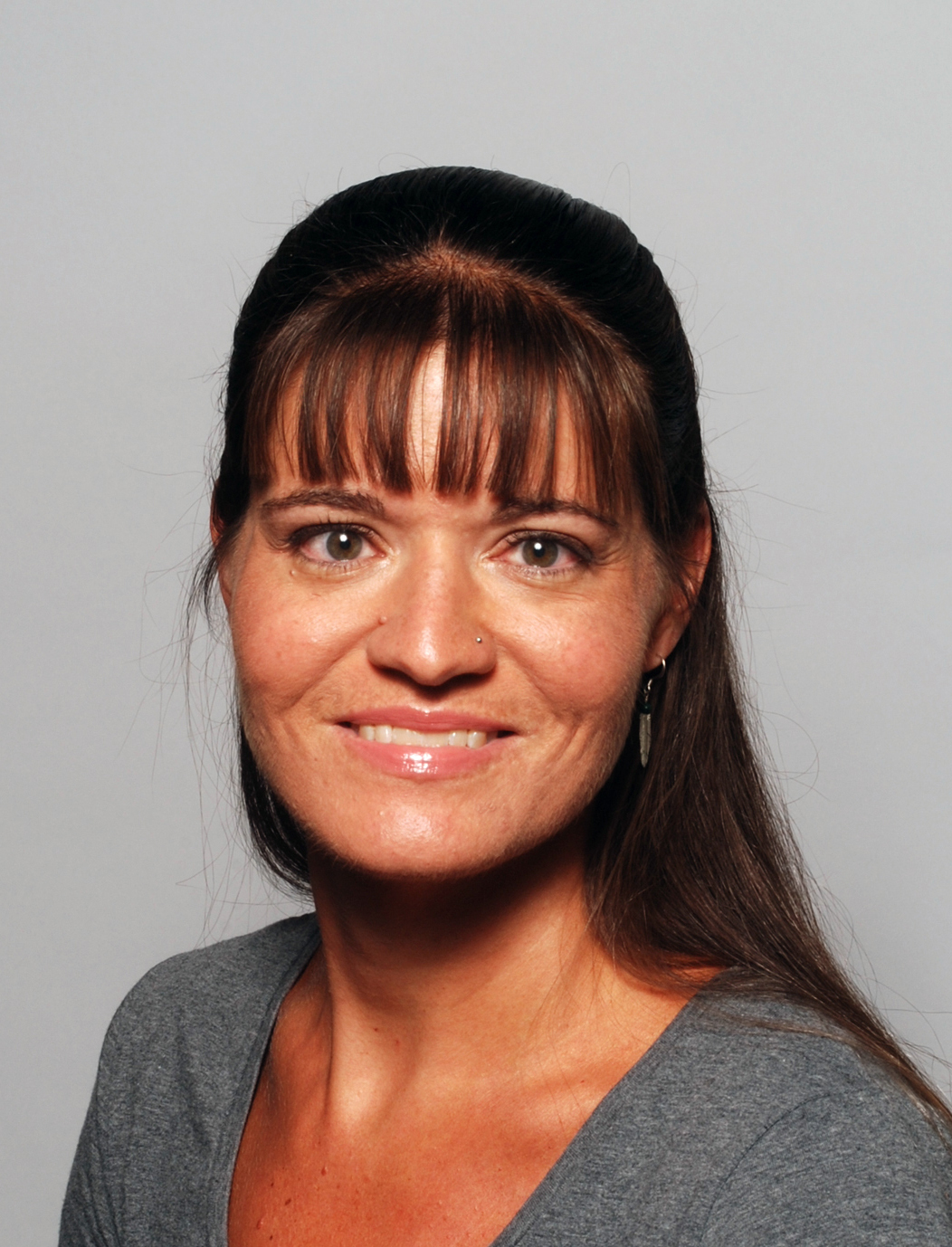
Dr. Angie L. Miller

2025

Dr. Angie L. Miller

Angie L. Miller, PhD, is a Senior Research Scientist at Indiana University’s Center for Postsecondary Research (NSSE) and Senior Scholar for SNAAP, an Associate Editor of Gifted Child Quarterly, whose work focuses on survey methodology, creativity in education, and factors shaping gifted student engagement and achievement in higher education.

Abstract:

Dr. Miller is a Senior Research Scientist in the Center for Postsecondary Research at Indiana University Bloomington. She holds a PhD in educational psychology from Ball State University. Her primary responsibilities include conducting research and data analysis for the National Survey of Student Engagement, with a focus on developing, cleaning, and reporting data for topical modules, consortia, and experimental items. She also serves as a Senior Scholar for the Strategic National Arts Alumni Project and as an Associate Editor for Gifted Child Quarterly. Her research interests include the utilization of creativity in educational settings, factors impacting gifted student engagement and achievement, high-impact practices in higher education, survey methodology, and arts education.

Social Stress in Honors College Students: How Personality Traits, Perfectionism, Creativity, and Gender Predict Use of Social Coping Strategies

SENG Journal: Exploring the Psychology of Giftedness, March 2022

Abstract: Much research has focused on how gifted children and adolescents deal with the social stigmas associated with giftedness. Previous studies indicate that several coping strategies exist, and these are related to personality and other characteristics. However, once these gifted individuals enter higher education, they are often required to shift their coping strategies to deal with stressors and situations in this new environment. This study investigates social coping strategies among honors college undergraduate students, looking at the need for updating the factor structure of a measure of social coping designed for and used with middle and high school students. Results suggest some variation in strategies for the honors college students. Additional results explore how personality traits, creativity, perfectionism, and other demographic characteristics predict the use of certain social coping strategies. This information can be used to mitigate the experience of social stress for this unique student population and address their needs through a supportive and accommodating environment.

Junior Division

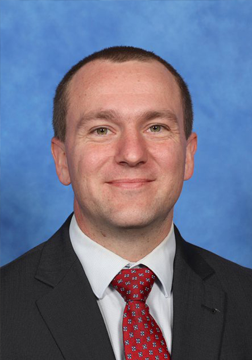
Gabriella D. Noreen

2025

Gabriella D. Noreen

Gabriella D. Noreen is a doctoral student in Quantitative Methods at Vanderbilt’s Peabody College and a Research Assistant with the Study of Mathematically Precocious Youth, whose work uses longitudinal and mixed-methods research to advance evidence-based, developmentally appropriate education—especially for underserved students—while she also teaches data analysis and quantitative methods in Vanderbilt’s Programs for Talented Youth.

Abstract:

Noreen is a doctoral student in the Quantitative Methods Program at Peabody College of Vanderbilt University. Her research interests focus on best practices in education, supporting underserved populations, and ensuring access to developmentally appropriate educational opportunities based on empirically documented best practices for meeting the learning needs of all students regardless of their ZIP code. Noreen is a Research Assistant at the Study of Mathematically Precocious Youth, where she enjoys developing longitudinal studies on facilitating positive development, broadly defined. In addition to her research and scholarly work, Noreen is an instructor with Vanderbilt’s Programs for Talented Youth; she teaches Exploratory and Graphical Data Analysis and Quantitative Methods.

In Their Own Voice: Educational Perspectives From Intellectually Precocious Youth as AdultsGifted Child Quarterly, accepted September 2024

Co-authors David Lubinski and Camilla P. Benbow

Abstract: Educational acceleration is well established as a best practice for meeting the learning needs of precocious youth. It occupies one region of a broader spectrum of interventions designed to align educational curricula with students’ learning readiness, namely, appropriate developmental placement. Despite over 100 years of robust longitudinal support, educational acceleration is not reliably implemented in practice or educational theorizing. This investigation extends this literature through a mixed-methods approach of the educational experiences and perspectives of intellectually precocious youths as adults. Study 1 examines the experiences and views of gifted (N = 1,279) and highly gifted (N = 479) individuals in their mid-30s on homogenous grouping for instruction. Study 2 constitutes a constructive replication of Study 1 involving an unobtrusive generalization probe, administered to profoundly gifted participants (N = 241) and top STEM doctoral students (N = 695) in their mid-20s. Study 2 focuses on participants’ high school likes and dislikes to determine whether they unobtrusively capture sentiments indicative of appropriate developmental placement in general and educational acceleration in particular. Collectively, participants appear to crave advanced and challenging educational material. Across cohorts and genders, a longitudinal examination of potential moderators revealed that these results did not covary with lifestyle/occupational outcomes at age 50. Findings align with Carroll’s Model of School Learning, Cronbach’s formulation of aptitude × treatment interactions, and modern measurement procedures. They support tailoring curricula to academic readiness for maximizing learning. They also highlight how contextual features embedded in educational settings beyond strictly academic material facilitate learning and psychological development.

Junior Division

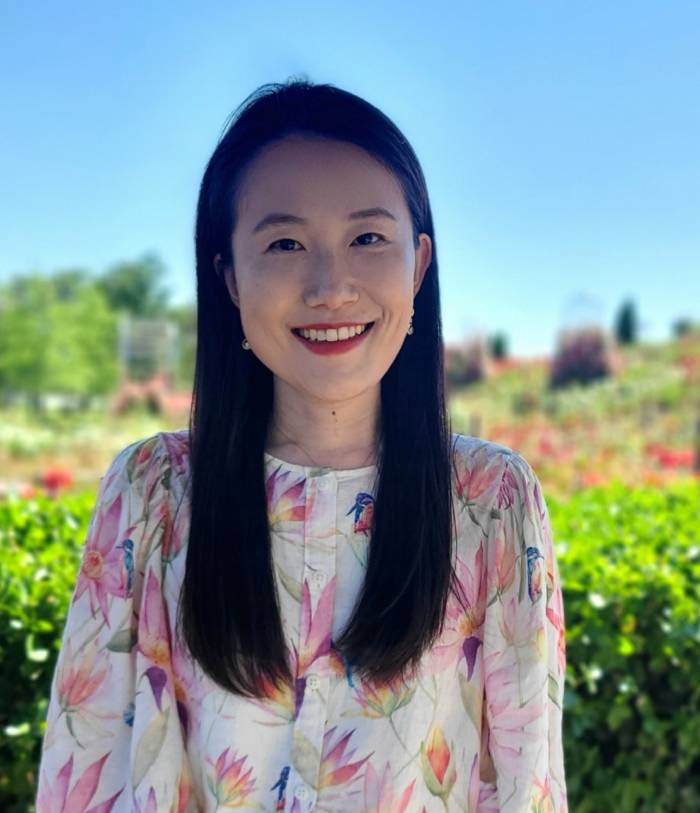
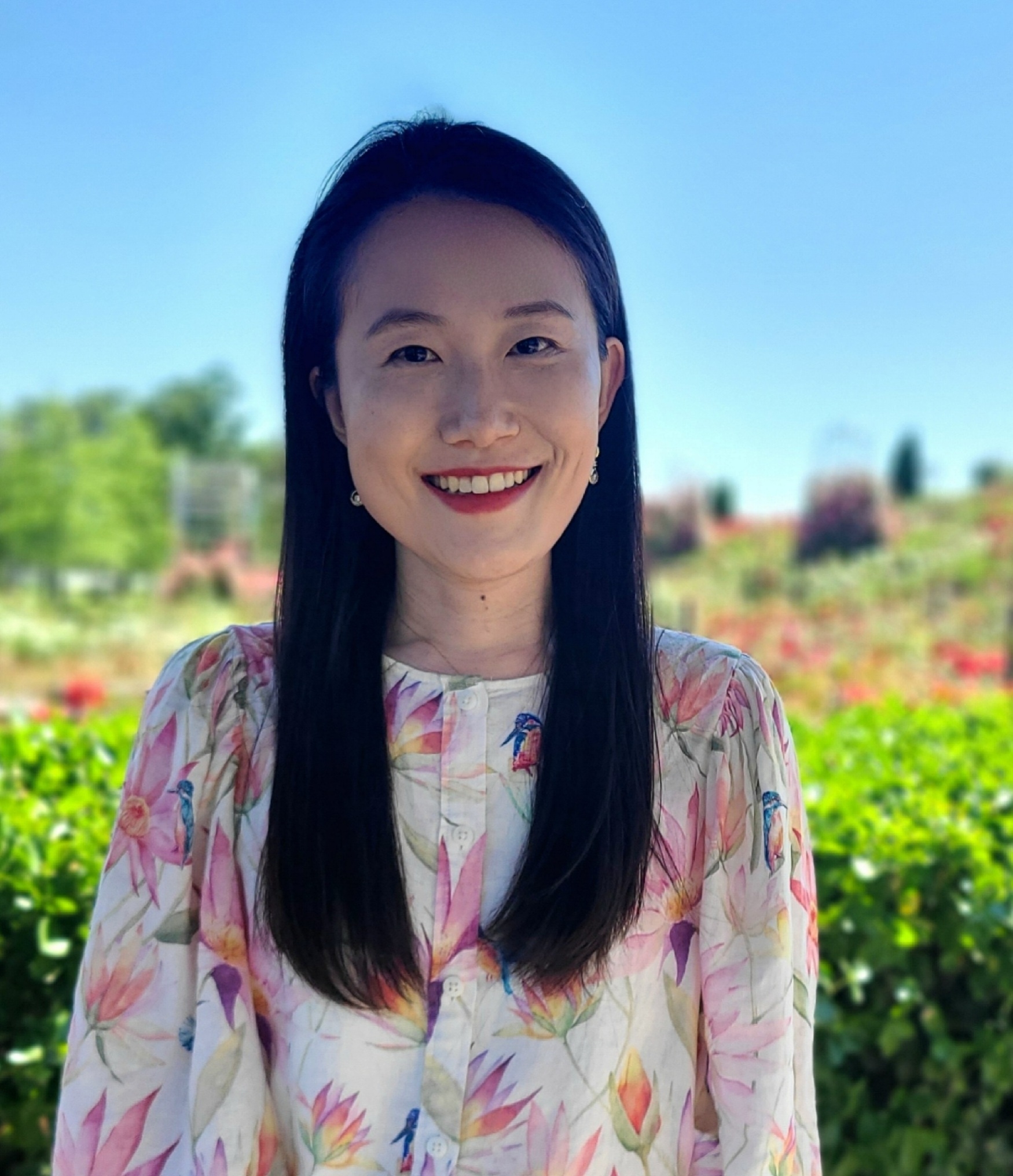
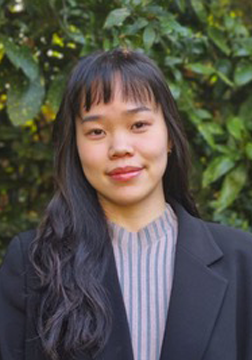
Dr. Heejin Woo

2025

Dr. Heejin Woo

Heejin Woo, PhD, is a gifted education scholar teaching at Seoul National University of Education and a PhD graduate of UNSW Sydney whose work examines teacher preparation, gifted adults and underachievement, and how culture shapes gifted education.

Abstract:

Dr. Woo is a PhD graduate from the School of Education, University of New South Wales Sydney in Australia and currently teaches gifted education at Seoul National University of Education. Her research interests are gifted education, initial teacher education, gifted adults, gifted underachievers, and the impact of culture on education.

South Korean Pre-Service Primary School Teachers’ Attitudes Towards Gifted Students and Gifted Education

Gifted Education International, September 2023

Co-authors Therese M. Cumming and Susan C. O’Neill

Abstract: This study explores South Korean pre-service primary teachers’ attitudes toward gifted students and gifted education. Qualitative focus group interviews were conducted with 13 South Korean undergraduates who were in their final year of primary education. Analysis of the interviews revealed that culture was a major factor that had affected the pre-service teachers’ attitudes towards gifted education. Even though the participants agreed with the necessity of gifted education to meet gifted students’ distinctive intellectual and emotional needs, they tended to have negative attitudes toward gifted education in South Korea because of the highly competitive educational atmosphere. The South Korean pre-service teachers admitted that taking a gifted education course could be somewhat helpful but not enough. They suggested that there should be more elective gifted education course offerings and that the current compulsory special education courses should devote more time and space to gifted education.

Senior Division

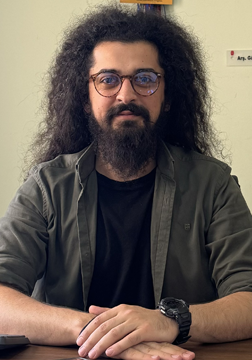
Dr. Sophie von Stumm

2025

Dr. Sophie von Stumm

Sophie von Stumm, PhD, is a Professor of Psychology in Education at the University of York (U.K.) and director of the Hungry Mind Lab, whose research on individual differences in learning integrates psychology, education science, and genomics; she has published 100+ peer-reviewed papers with support from funders including the Nuffield and Jacobs Foundations.

Abstract:

Dr. von Stumm is a professor of psychology in education at the University of York in the U.K., where she directs the Hungry Mind Lab (HungryMindLab.com). Dr. von Stumm’s research focuses on the causes and consequences of individual differences in learning. She integrates theories and methods across the disciplines of psychology, education science, and genomics. Von Stumm has published more than 100 papers in peer-reviewed journals, and her research has been supported by many funding agencies, including the Nuffield Foundation and the Jacobs Foundation.

“Predicting Educational and Social-Emotional Outcomes in Emerging Adulthood From Intelligence, Personality, and Socioeconomic Status”

Journal of Personality and Social Psychology, December 2022

Co-author Zainab Faatimah Haider

Abstract: Emerging adulthood describes the developmental life stage between adolescence and adulthood, when young people gain important educational and social-emotional skills. Here, we tested to what extent intelligence and personality traits in adolescence, family socioeconomic status (SES), and their interplay predict educational (e.g., educational attainment, degree classification) and social-emotional outcomes (e.g., well-being, volunteering, substance use) in emerging adulthood in a U.K.-representative sample (N = 2,277). Intelligence, personality traits, and family SES accounted together for up to 23.5% (M = 9.7%) of the variance in emerging adulthood outcomes. Personality traits, including the Big Five, grit, curiosity, and ambition, were the most consistent and strongest predictors across outcomes, although intelligence was a better predictor of educational attainment. Intelligence, but not personality, accounted for a significant proportion of the associations between family SES with educational attainment, degree classification, behavior problems, aggression, and volunteering (16.4%-29.1%). Finally, intelligence, ambition, conscientiousness, curiosity, and openness were all stronger predictors of educational attainment at low compared to high SES levels. These significant interactions suggest that these traits may help compensate for family background disadvantage, although the corresponding effect sizes were small (R² 0.4%-3%). Overall, our analyses suggested that there is moderate developmental continuity from adolescence to emerging adulthood. Our findings contribute to understanding the psychological characteristics and structural factors that help emerging adults to become resilient and productive members of society.
Junior Division

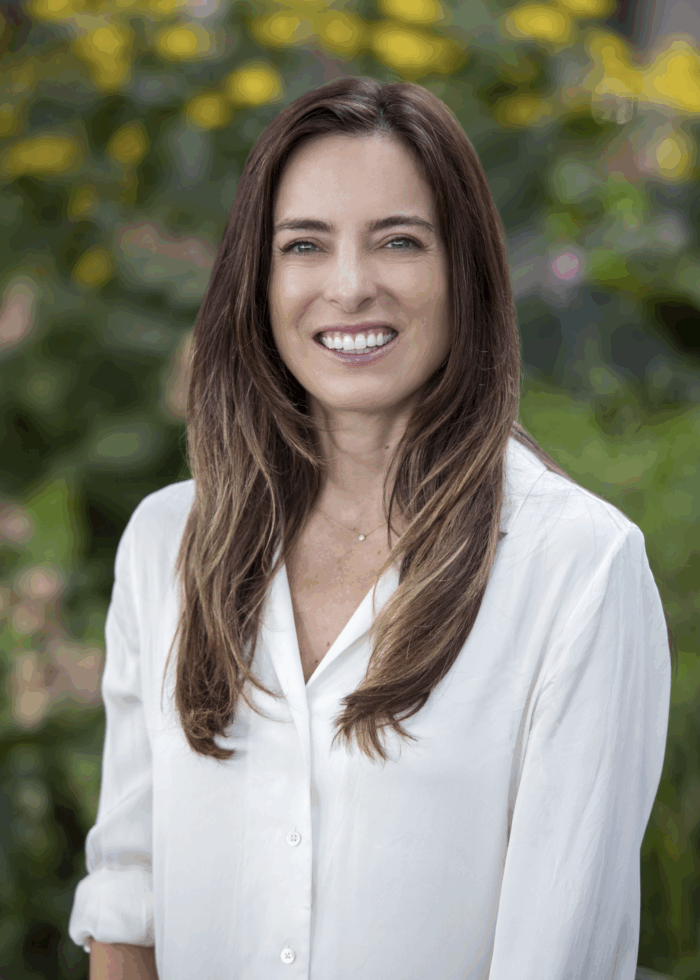
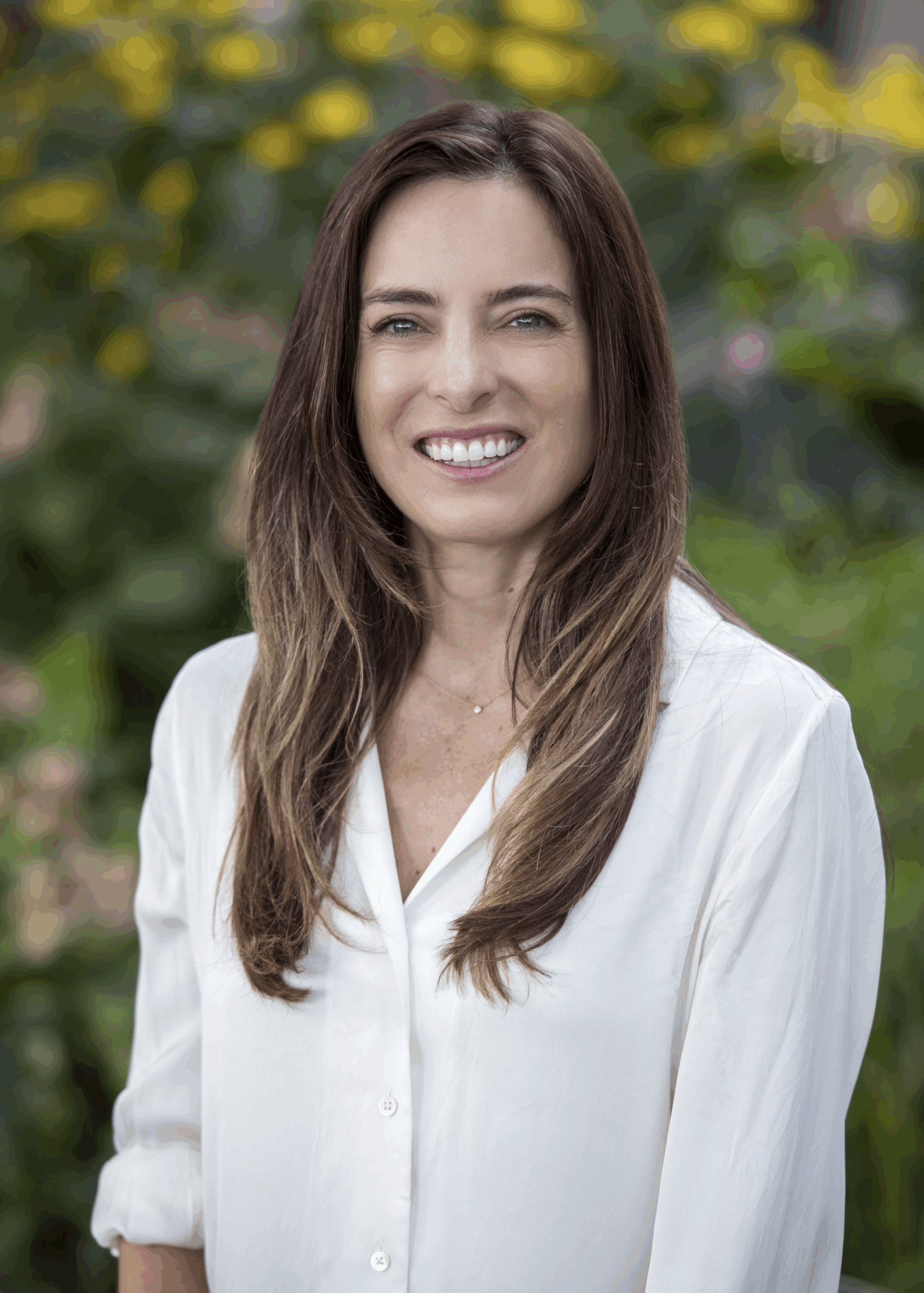
Dr. Stephanie Ruth Young

2025

Dr. Stephanie Ruth Young

Stephanie Ruth Young, PhD, is an Assistant Professor of Medical Social Sciences at Northwestern University Feinberg School of Medicine and a licensed psychologist whose work advances efficient, accurate cognitive assessment through technology; recognized for the first independent validations of the open-source ICAR, she now leads NIH-funded projects using mobile apps to track cognitive trajectories across the lifespan.

Abstract:

Dr. Young is an Assistant Professor in the Department of Medical Social Sciences at Northwestern University Feinberg School of Medicine and a licensed psychologist. She earned her doctorate from the University of Texas at Austin and completed her clinical internship at Dell Children’s Hospital/Dell Medical School, followed by a clinical fellowship at Children’s Hospital Colorado/The University of Colorado School of Medicine. Her research centers on improving the efficiency and accuracy of cognitive assessment through innovative technology solutions. Early in her career, Dr. Young gained recognition for conducting the first independent validations of the International Cognitive Ability Resource, a pioneering open-source cognitive measurement system with utility for identifying high-ability individuals. Currently, Dr. Young serves as principal investigator or co-investigator on multiple large-scale, NIH-funded projects that leverage mobile applications to track cognitive trajectories across the lifespan.

The International Cognitive Ability Resource: An Open Science Measure Useful for Research With High-Ability Postsecondary Students

Gifted Child Quarterly, October 2021

Co-authors Danika L. S. Maddocks and Jamison E. Carrigan

Abstract: Research on high-ability postsecondary students has increased in recent years; yet identifying such students can be challenging. The International Cognitive Ability Resource (ICAR) is an online, open-access tool designed to facilitate measurement of cognitive abilities in research. We evaluated whether the ICAR is appropriate to identify high-ability postsecondary students for research; high ability was classified by a General Ability Index score of 120 or higher on the WAIS-IV. In a sample of 97 students from a U.S. university (mean age 22.47 years, mean General Ability Index score 115.13), the 60-item ICAR demonstrated adequate diagnostic accuracy to identify high ability with three appropriate cut scores (33, 34, or 35 items correct out of 60). The 16-item ICAR had no appropriate cut scores but demonstrated validity as a brief cognitive ability measure that could be used to examine relations between intelligence and other variables. Findings suggest that the ICAR could be a useful open-source tool for research with high-ability college students.