
John Thompson, MSEd, CFRE, is Director of Development and Impact at the Mensa Foundation, working to broaden the understanding of intelligence and support gifted people across the lifespan.
Save your seat for June 30, in person or online, by registering here.
How I Planned This Year
Planning the Colloquium is one of the most fun parts about my job. I get to take a topic I care about and do two of my favorite things: ask questions and learn from experts.
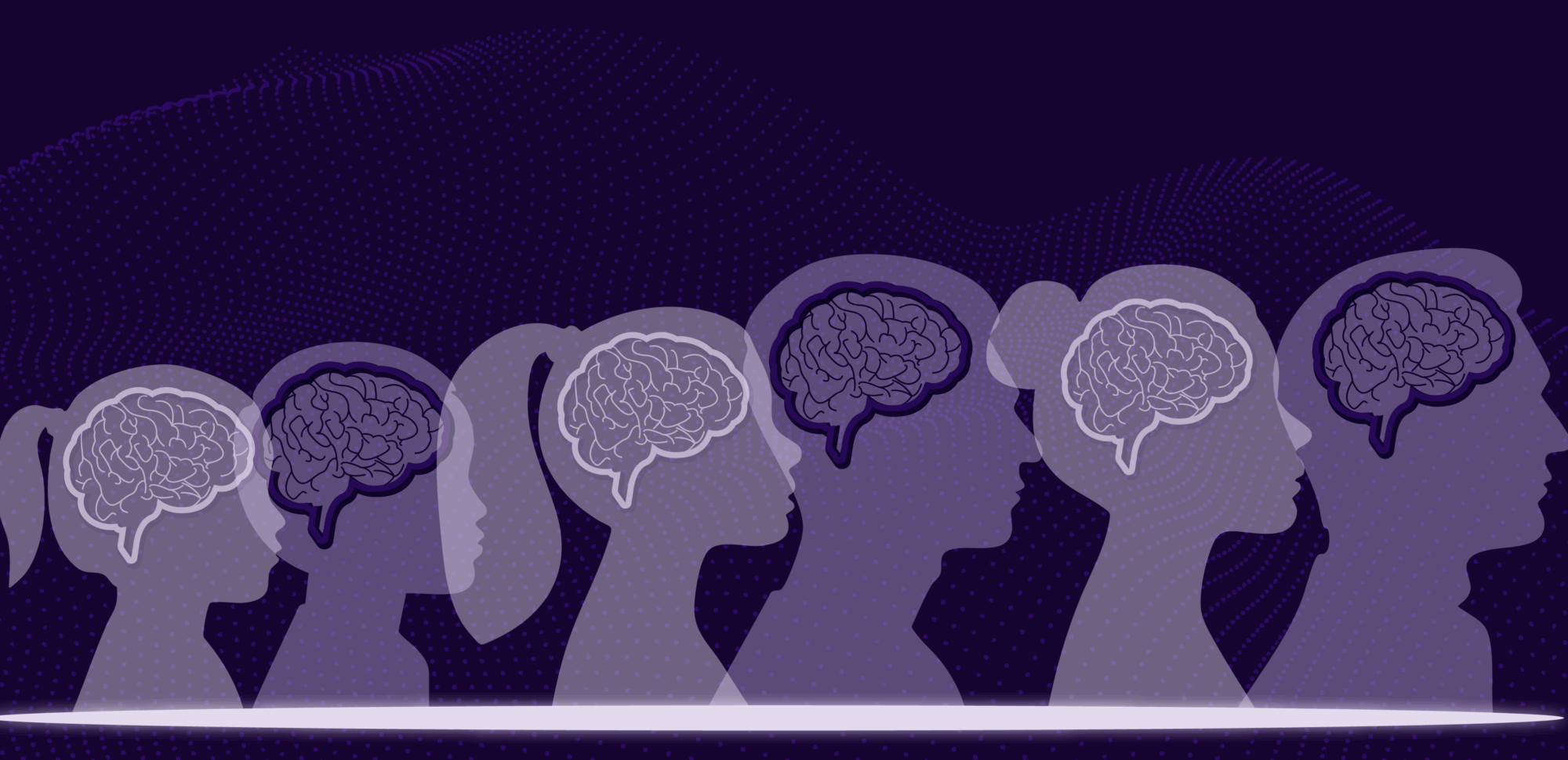
I took this year’s topic, Brain Health Across the Lifespan, literally at first. My instinct was to organize the day around different ages, with experts speaking to the stages of life from childhood through later adulthood. It would have been a clean fit for the title. But after more thought, I decided to pivot. Instead of asking how brain health changes at each stage of life, I became more interested in exploring what makes a healthy brain across a lifetime.
That sent me down a wonderful rabbit hole, because the answer has a lot of pieces: sleep, nutrition, laughter, emerging medical treatments, and ways of thinking about brain health that begin outside the brain itself.
I also wanted the day to carry a sense of wonder. The brain is the most complex object we know of, and the more time you spend with people who study it, the stranger and more remarkable it gets. Practical takeaways matter, and this day is full of them. But so does the feeling of sitting in a room with other thoughtful minds and realizing how much there still is to be curious about.
When I plan a Colloquium, I always try to find a through line. Simply lining up smart people behind a podium can be interesting, but it can also feel flat. The day works best when each speaker brings something distinct, and then, somewhere near the end, the audience can feel the larger point come into focus.
The larger point this year is that brain health is not one thing. It is not just sleep, nutrition, joy, medical treatment, or longevity science. It is all of those things working together in a system more interconnected than the way we usually talk about it. The speakers we’ve assembled will explore sleep, nutrition, neuromodulation, joy and the nervous system, and a broader integrated view of healthspan. Each talk stands on its own, but together they point toward a bigger question that I hope attendees will carry with them out of the room: what would brain health look like if we stopped studying the parts in isolation?
Below are the abstracts from our five speakers. I hope you’ll join us in Fort Worth on June 30, in person or online, for what promises to be a thoughtful, wonder-filled afternoon, and a day that adds up to more than the sum of its talks.
The Speakers
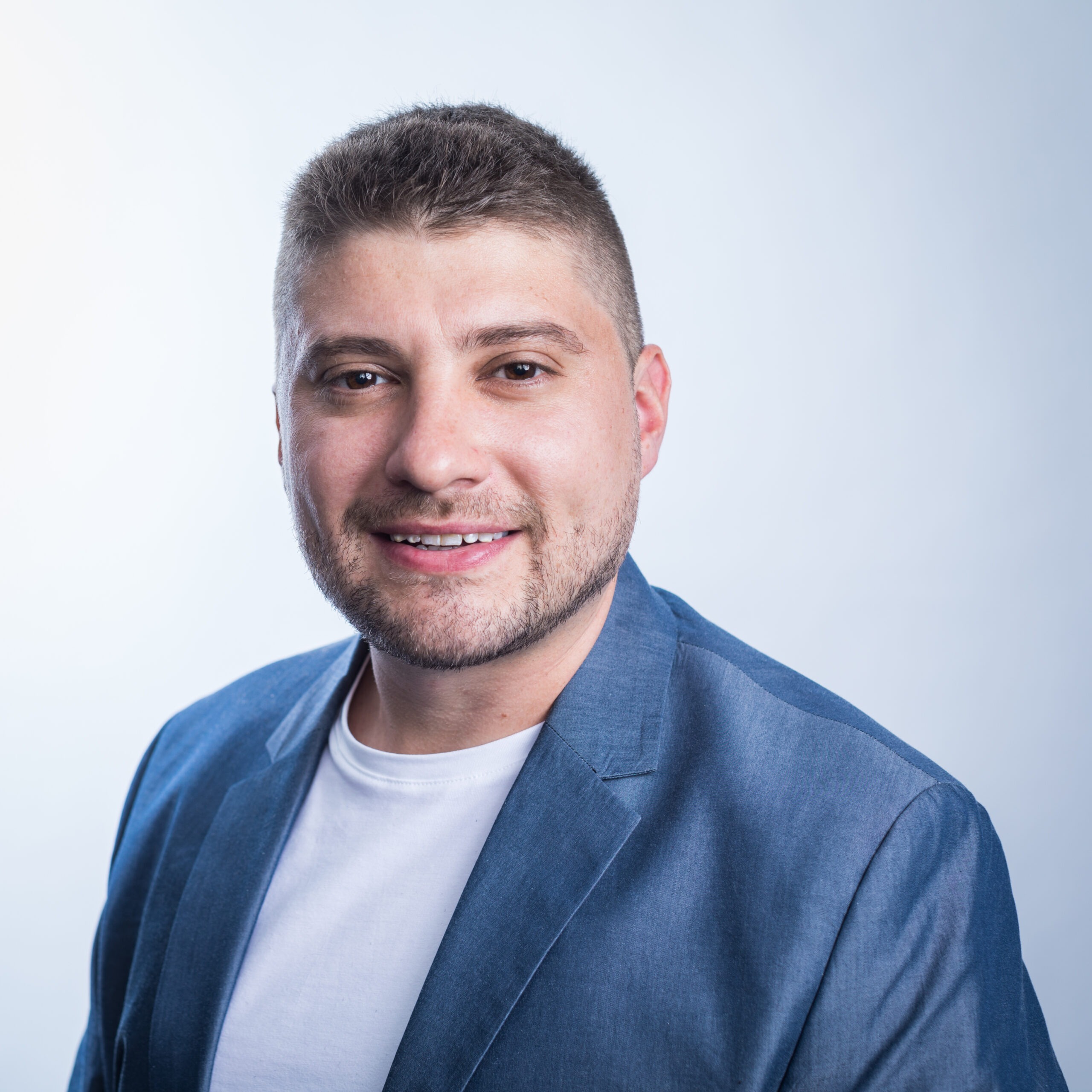
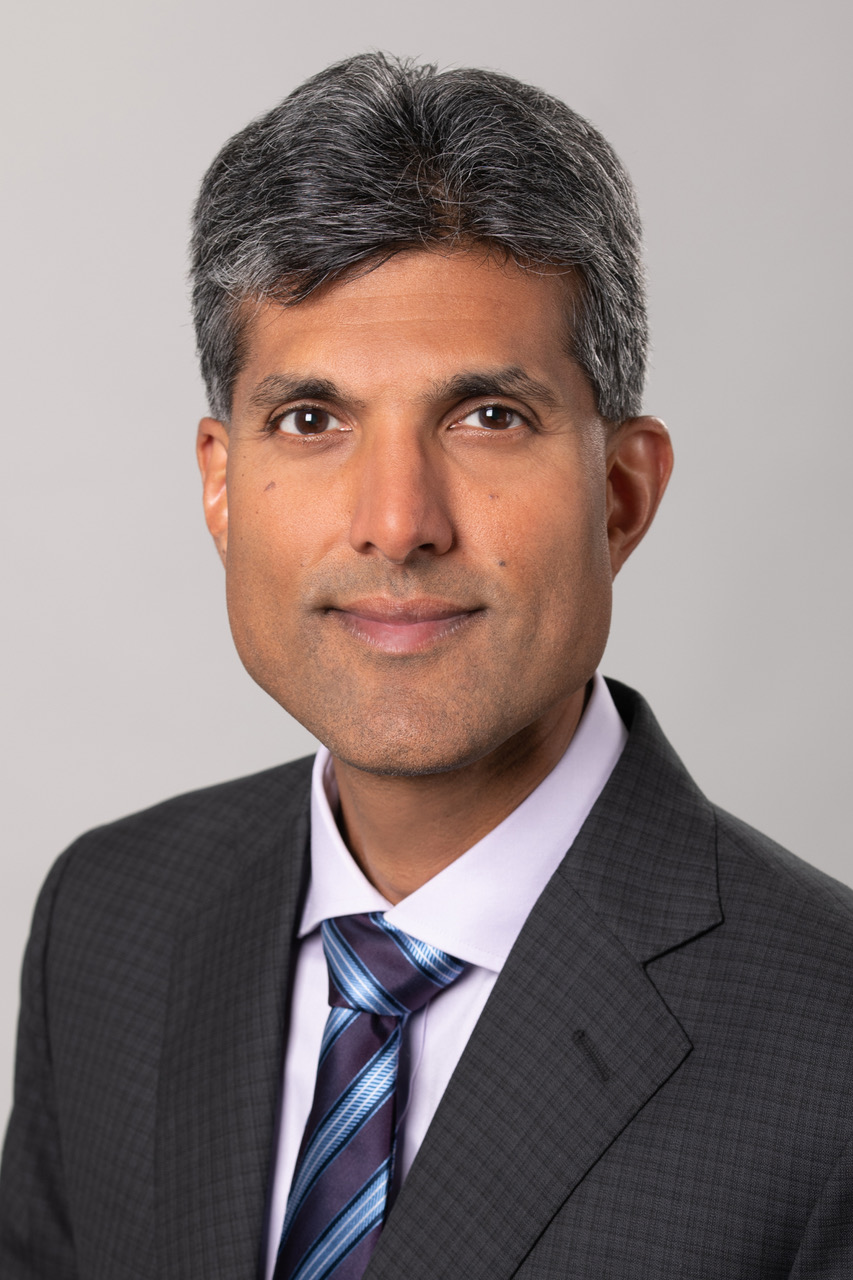 Dr. Siddharth Ashvin Shah
Operationalizing Well-Being: Joy, Laughter, and the Intelligent Nervous System
What if joy and laughter were not the reward for well-being, but active ingredients in it? Drawing on more than two decades of work at the intersection of trauma response, cross-cultural mental health, and the care of helpers and healers, Dr. Siddharth Ashvin Shah opens the 2026 Mensa Foundation Colloquium with an invitation to take joy seriously as a measurable, trainable feature of the intelligent nervous system. He will explore how laughter can be operationalized as a deliberate practice, including a brief facilitated laughter exercise on stage, and what that means for people whose curiosity and humor have sometimes been misunderstood, isolated, or worn down by the work they do in the world. The aim is not to lighten the day but to ground it: to invite attendees into the colloquium more present, more connected, and more ready to bring their full selves to the conversations that follow.
 Dr. Daniel Gartenberg
Sleep, Brain Health, and Cognitive Longevity
Sleep is not a passive state. It is an active engine of cognitive maintenance, and what happens in slow-wave sleep increasingly looks like one of the strongest modifiable predictors of how the brain ages. Dr. Daniel Gartenberg, sleep scientist and founder of Sleep Space, will translate the science of deep sleep into practical terms, covering how sound, light, and temperature can be used to enhance slow-wave activity, what targeted memory reactivation reveals about the sleeping mind, and how the relationship between sleep and mild cognitive impairment is reshaping how we think about cognitive longevity. He will share findings from an NIH-funded randomized controlled trial in older adults with insomnia and introduce attendees to a 510(k)-cleared cognitive baselining tool they can use to track their own performance over time. The goal: give a highly analytical audience real instruments, not slogans, for protecting cognition across the lifespan.
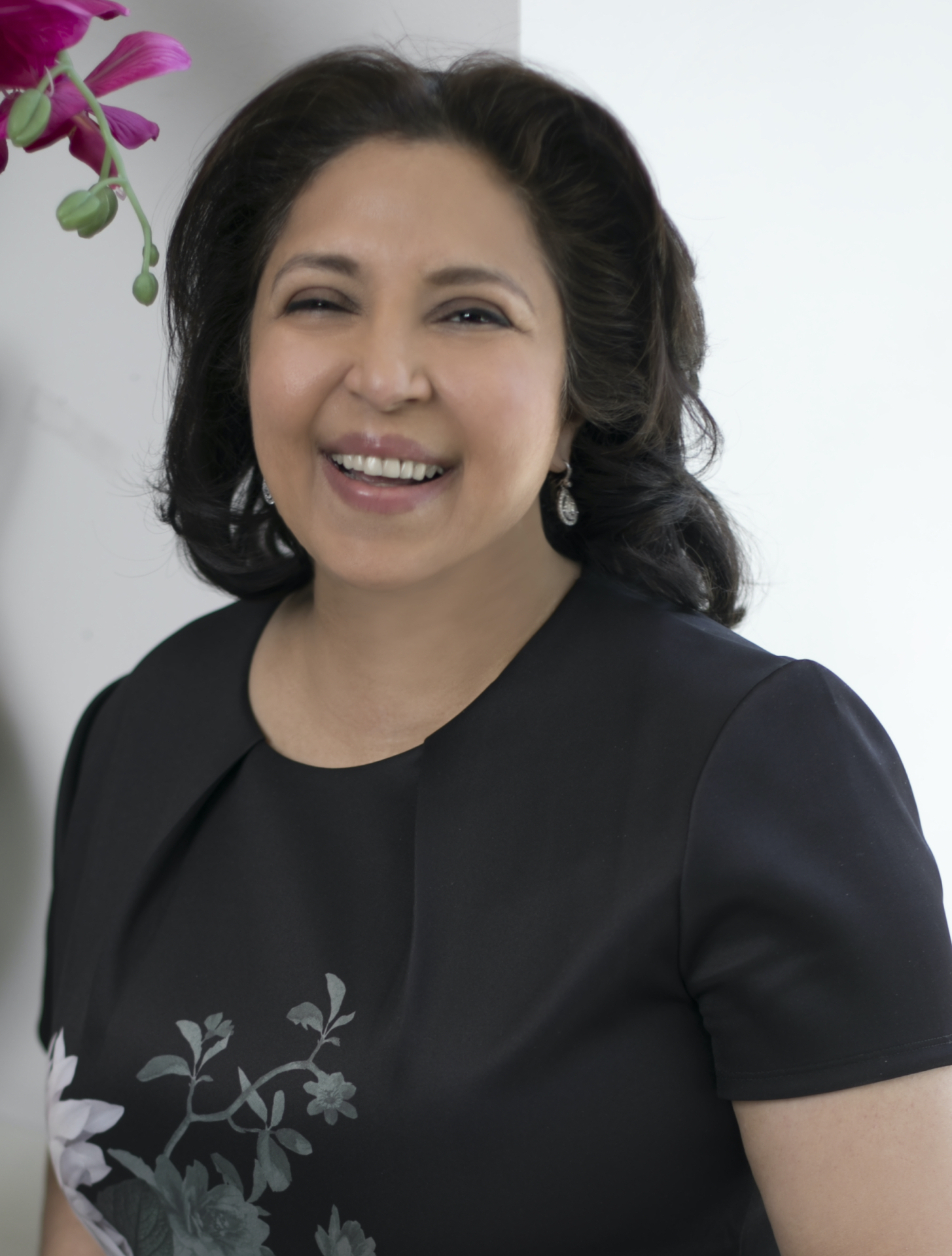 Dr. Uma Naidoo
Nutrition, Mindset, and Healthspan
The headlines reduce nutrition to eat this, not that. The science is more interesting than that, and in some areas, the data has shifted in ways the popular conversation has not yet caught up to. Dr. Uma Naidoo, a Harvard-trained nutritional psychiatrist, will offer a more honest reading of what the research actually says about food, mindset, and healthspan. She will examine the surprising and sometimes contrary literature behind familiar nutrition claims, walk through experiments that complicate common assumptions, and explore how nutritional choices interact with the brain and the body’s other intelligent systems. Her aim is not to issue another list of prescriptions but to give the audience a sharper lens for evaluating the claims that arrive daily in their feeds, and to demonstrate why nutrition deserves a serious seat at the longevity conversation, alongside sleep, neuromodulation, and the broader systems that shape how we age.
 Dr. Grant Brenner
Neuromodulation and the Brain: Restoring Function, Renewing Potential
Can we roll back the brain clock? Dr. Grant Brenner makes the case that, for an expanding set of conditions, the answer is a defensible yes, and that the evidence supporting non-invasive neuromodulation is now strong enough to separate genuine clinical capability from the marketing that often surrounds it. Anchoring in transcranial magnetic stimulation, with outcomes that, for treatment-resistant depression, hold up well against both pharmacological and psychedelic alternatives, he will review the literature on neuroplasticity, restored network connectivity, and the granular changes patients report in the months following treatment. He will also survey emerging tools, including functional near-infrared spectroscopy and task-based fMRI, that may soon predict who responds to which intervention before treatment begins. The talk holds two lines at once: an honest accounting of where the science is solid, and a clear-eyed view of where expensive, less-evidenced approaches are taking advantage of people who deserve better.
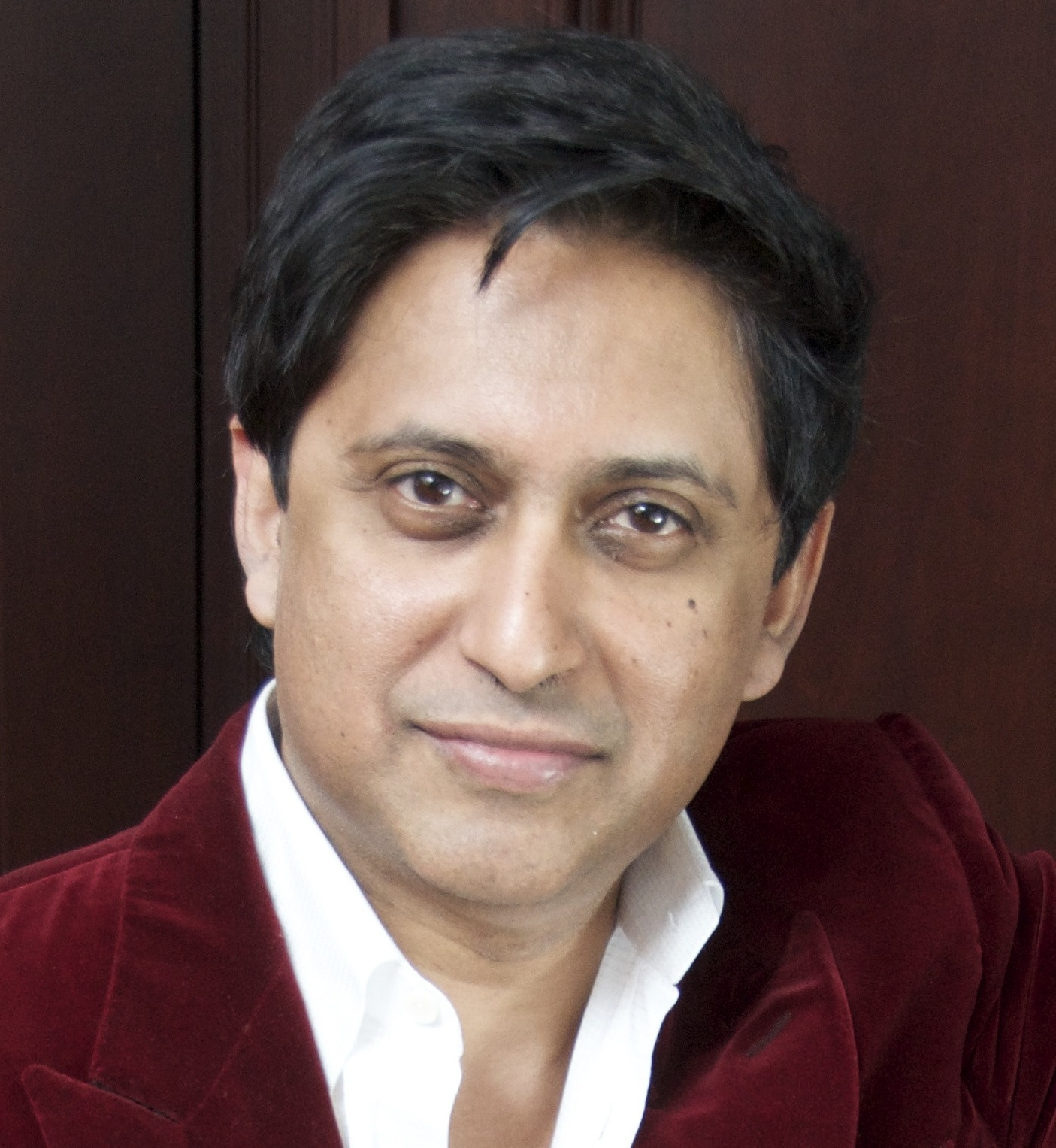 Dr. Srini Pillay
Rethinking Healthspan and Longevity: Toward a More Integrated Model
What if the brain is not the captain of whole-body health? What if preventing disease is not the same as building healthspan? Closing the 2026 Colloquium, Dr. Srini Pillay puts pressure on four assumptions that quietly govern much of modern medicine: that the brain is hierarchically primary, that disease prevention equals longevity, that tissue-level pathology is the right primary target, and that linear causality is sufficient to describe a living system. Drawing on research into distributed intelligences across the immune system, gut, heart, and brain, the concept of intrinsic capacity as a healthspan predictor, and complexity science as an alternative to traditional medical thought, he will propose an integrated model that takes both the tangible and the intangible seriously. He will close with the question the day has been pointing toward: what would healthspan look like if we stopped studying the parts in isolation?
Join Us
Register for Colloquium 2026 →
Choose your option at checkout: in person for $149, livestream only for $49, or livestream plus recording for $99. The recording will be delivered roughly a month after the event.
The Mensa Foundation Colloquium is held in conjunction with the American Mensa Annual Gathering in Fort Worth, Texas. Attendance is open to Mensa members and the public.



Comments (0)