

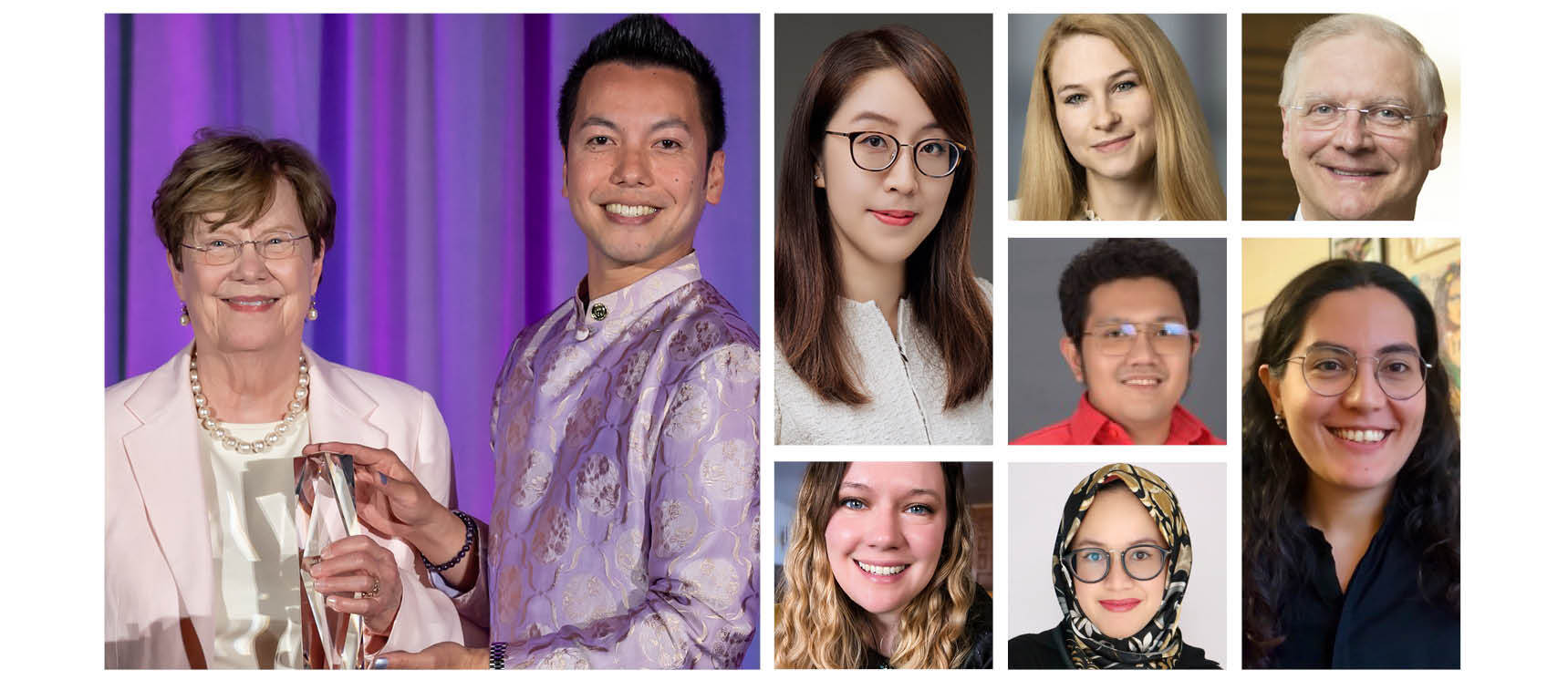
Human potential isn’t always obvious. It can be hidden by disability, overlooked because of culture or geography, missed by traditional identification practices, or expressed in ways schools aren’t always prepared to recognize.
Every year, the Mensa Foundation invests in researchers and educators working to better understand human potential, from giftedness and creativity to intelligence and talent development. Through its awards, grants, and fellowships, the Foundation recognizes achievement, supports emerging scholars, and helps move new ideas into research and practice. This year’s recipients show what that investment makes possible.
A Lifetime of Influence
The Foundation’s highest honor, the Lifetime Achievement Award, recognizes Susan K. Johnsen for a career that has shaped gifted education for more than five decades. Her work has influenced gifted identification and teacher preparation as well as the ways research reaches classrooms. It’s the kind of impact measured not only in publications and professional honors but also in generations of students whose abilities were recognized because educators had better tools to see their potential.
Some contributions are measured over decades. Others are just beginning.
Investing in the Future
The Foundation’s Gifted Education Fellowships support researchers preparing to shape the future of the field.
Shahnaz Safitri is helping build gifted education in Indonesia, where the field is still emerging. Her goal is to strengthen research, professional networks, and educational infrastructure so more gifted learners have opportunities to thrive.
Tyrone Gil Jr. is focused on twice-exceptional learners whose exceptional abilities and learning needs often mask one another. His research explores better ways to identify those students and ensure they receive the support they need.
New ideas also need the opportunity to grow.
Funding New Research
The Foundation’s research grants support projects with the potential to improve both scholarship and classroom practice.
Dissertation Mini-Grant recipient Yasemin Sipahi is studying how teachers recognize and foster mathematical creativity, asking whether educators’ beliefs influence which students are seen as creative thinkers.
Early Career Mini-Grant recipient Shana Lusk is examining talent identification in Indigenous communities. Her work with members of the Catawba Nation and the Navajo Nation highlights the importance of tribal context and challenges broad assumptions about how giftedness is recognized.
The Foundation also recognizes research that is already changing the conversation.
Recognizing Research Excellence
The Awards for Excellence in Research honor scholarship that is reshaping how researchers think about giftedness, development, and educational opportunity.
David Lubinski examines how evidence should guide educational decisions affecting gifted learners. Lisa Bardach explores how children’s broad abilities become increasingly specialized as they develop. Katy Ieong Cheng Ho Weatherly argues for broader, more culturally responsive ways of understanding musical giftedness.
Taken together, this year’s recipients reflect a field that’s asking sharper questions about how human potential is recognized, developed, and supported.
The Foundation is building on that momentum. Plans are underway for a more formal research initiative, beginning with a reimagined research fellowship and the exploration of a research summit where researchers can share ideas, build collaborations, and help shape the future of the field. Longer term, the goal is to expand grant opportunities and create new pathways for research that advances our understanding of intelligence, giftedness, and human potential.
The study of human potential is never finished. Neither is the work of supporting the people willing to ask its next important question.







Comments (0)